
ACLU of Puerto Rico supports bill to ban the use of mass surveillance
September 24, 2026 2:00 pm
Spokesperson


Media Contact
San Juan, P.R. - The American Civil Liberties Union (ACLU) of Puerto Rico expressed its support on Thursday for House Bill 1421—which seeks to create the "Act for Protection Against Mass Surveillance Systems"—citing the risks mass surveillance poses to individuals' constitutional protections and the potential for misuse by authorities, as already evidenced in the United States.
"The ACLU recognizes the importance of aligning public policy with existing technological advancements. However, when the State seeks to establish technological and information-integration mechanisms without considering the serious implications of their provisions, it violates the fundamental rights of the citizenry," noted attorney Lolimar Escudero Rodríguez in the memorandum submitted to the House Committee on Public Safety, which is tasked with evaluating the measure.
House Bill 1421 was filed on September 1, 2026, by Representatives Dennis Márquez Lebrón, Adriana Gutiérrez Colón, and Nelie Negrón Robles, with Representative Lisie Burgos Muñiz as a co-sponsor. In its analysis, the organization argued that the use of mass surveillance technologies contravenes provisions of both the U.S. and Puerto Rico Constitutions and outlined cases heard by the U.S. Supreme Court regarding the right to privacy and protection against unreasonable searches.
"The ACLU maintains that mass surveillance is unconstitutional, disproportionate, and incompatible with a democratic society. The unregulated rise of state hyper-surveillance directly threatens fundamental democratic rights, such as the right to privacy, due process guarantees, freedom of expression, and others," stated Escudero Rodríguez. "We have argued that indiscriminate surveillance erodes the presumption of innocence, effectively turning the entire population into suspects. We are constantly being spied on and investigated," the attorney noted in the brief.
The organization argued that mass camera surveillance constitutes an unprecedented invasion of privacy for individuals who have committed no crime. Its analysis explained that the danger lies in how a collection of snapshots can effectively map out a person's life. "This data reveals far more than just our license plate numbers. It records where we have been and when, and over time, it can expose our religious practices, medical visits, political activities, personal relationships, and daily routines," she explained.
"All of this occurs against a backdrop of insufficient transparency, oversight, and regulation regarding how our data is collected, stored, and used—and how public and private entities can be held accountable for any misuse. In this regard, the U.S. Supreme Court recently ruled that—regardless of the timeframe examined or whether the information was obtained through a private company—accessing a person's movement history violates their reasonable expectation of privacy," states the analysis submitted to the House committee.
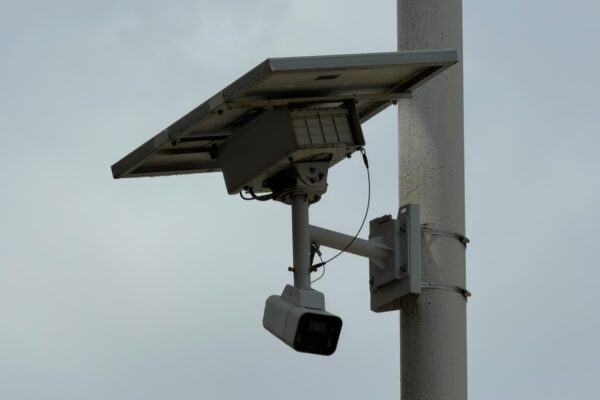
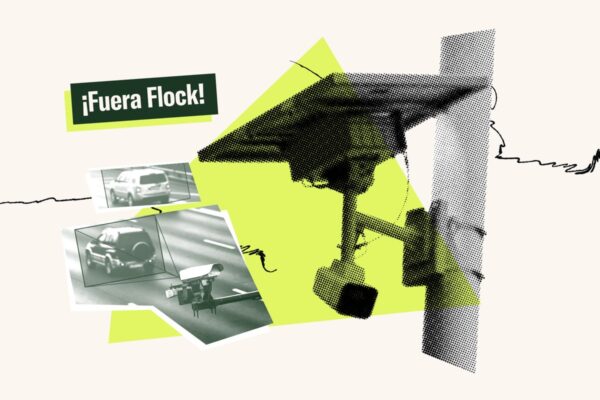
In the United States, the ACLU has spearheaded public education efforts regarding the dangers of mass surveillance, as well as initiatives in the legislative and judicial arenas. As recently as yesterday, September 23, Chad Marlow, a senior policy counsel at the ACLU, testified before the U.S. Senate Judiciary Committee on why automated license plate reader (ALPR) systems—such as Flock cameras—should be banned. An increasing number of communities are becoming aware of the dangers and potential rights violations involved, and some governments have already taken action against this hyper-surveillance.
Earlier this week, the ACLU of Puerto Rico submitted three position papers opposing Senate Joint Resolution 198, Senate Bill 974, and House Bill 897. The organization concluded that, rather than advancing the shared goal of public safety, these legislative proposals foster a scenario of mass surveillance through the unregulated use of technology and the inclusion of broad definitions that could infringe upon freedom of expression, privacy, the presumption of innocence, and due process.
"In presenting our analysis of these measures, we reiterate our call for lawmakers to hold public hearings and allow for a broad, transparent discussion regarding the implications that bills like these have—or could have—on people's civil liberties and human rights," stated attorney Annette Martínez Orabona, executive director of the ACLU of Puerto Rico, stated, "The country needs public safety, but that goal is not achieved through hyper-surveillance."
You can find additional details about hyper-surveillance at this link.
Related Issues
Related Content
¡Fuera Flock!

Proyecto de la Cámara 1421
House Bill 897
Senate Joint Resolution 198
Stay Informed
Sign up to be the first to hear about how to take action.
By completing this form, I agree to receive occasional emails per the terms of the ACLU’s privacy statement.
By completing this form, I agree to receive occasional emails per the terms of the ACLU’s privacy statement.