Immigrant Rights

Immigrant communities are an integral part of Puerto Rico’s social, cultural, and economic life. Yet thousands of migrants on the island face discrimination, detention, and barriers to basic services. The ACLU of Puerto Rico fights to ensure that every person — regardless of immigration status — is treated with dignity, fairness, and respect.
Immigrant Rights

What you need to know

85,000+

Migrant workers and their families live in Puerto Rico, contributing to the archipelago's economy and community life.

6,000

Nearly 6,000 immigrants without defined immigration status obtained driver’s licenses in Puerto Rico, but the government put that protection at risk by sharing their data with federal immigration authorities.

78 Municipalities, 2 Protections

Only two of Puerto Rico's 78 municipalities have adopted local ordinances limiting police cooperation with federal immigration enforcement.

We advocate for policies that protect immigrant families and prohibit local law enforcement from acting as federal immigration agents. The ACLU of Puerto Rico supports House Bill 331, which seeks to safeguard access to schools, hospitals, and churches for all — regardless of status.

Help Protect Immigrant Families in Puerto Rico

The ACLU of Puerto Rico is fighting to stop racial profiling, protect access to essential services, and ensure that no one lives in fear because of their immigration status. You can help by taking action on House Bill 331, sharing our campaign, or supporting our advocacy to make Puerto Rico a place where everyone belongs.
Key Issues

The ACLU of Puerto Rico challenges discriminatory practices and advocates for policies that promote inclusion, fairness, and accountability. Protecting immigrants’ rights strengthens entire communities and upholds Puerto Rico’s commitment to human rights.
Our work on immigrant rights combines litigation, policy reform, and public education to ensure that every person — regardless of where they were born — can live safely, work freely, and seek justice in Puerto Rico.

Police Collaboration: Local law enforcement often cooperates with federal immigration agencies, creating fear and mistrust in immigrant communities.

Access to Services: Many immigrants avoid schools, hospitals, and shelters out of fear of detention or deportation.

Labor Exploitation: Migrant workers, especially in agriculture and construction, face unsafe conditions and wage theft.

Family Separation: Detentions and deportations tear families apart and violate basic human rights.

ACLU of Puerto Rico

The Latest

Press Release
Placeholder image

Immigration Judge Grants Bond to Immigrant Joan Alberto After Weeks in Detention in Puerto Rico

The Dominican immigrant was detained by federal authorities in January, with the collaboration of the Carolina Municipal Police.
Issue Areas: Immigrant Rights
Press Release
Placeholder image

Authorized statement regarding ICE/HSI agents’ operation in the Capetillo community in Río Piedras

Authorized statement regarding ICE/HSI agents’ operation in the Capetillo community in Río Piedras
Issue Areas: Immigrant Rights
Press Release
Placeholder image

ACLU of Puerto Rico files lawsuit to demand Albeto Pierre’s release and halt his transfer out of Puerto Rico

The Haitian immigrant was detained on Christmas Eve while accompanying his pregnant partner to a prenatal care appointment at a clinic in Barrio Obrero
Issue Areas: Immigrant Rights
Press Release
Placeholder image

Federal court issues order to show cause in case of Haitian immigrant detained on Christmas Eve

ACLU of Puerto Rico warned of the risk of deportation to Haiti and denounced the transfer to Alligator Alcatraz, an improvised facility with inhumane and unconstitutional conditions
Issue Areas: Immigrant Rights
Campaign
Feb 2026

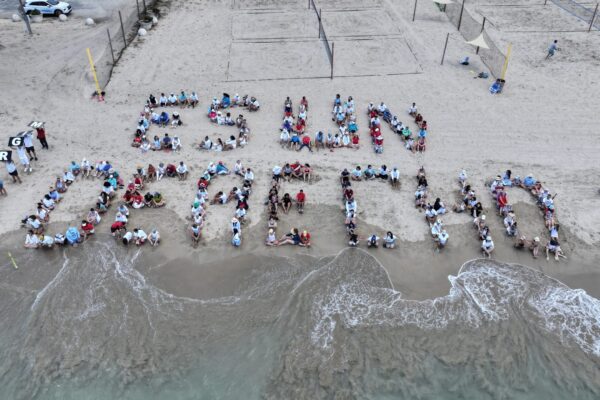
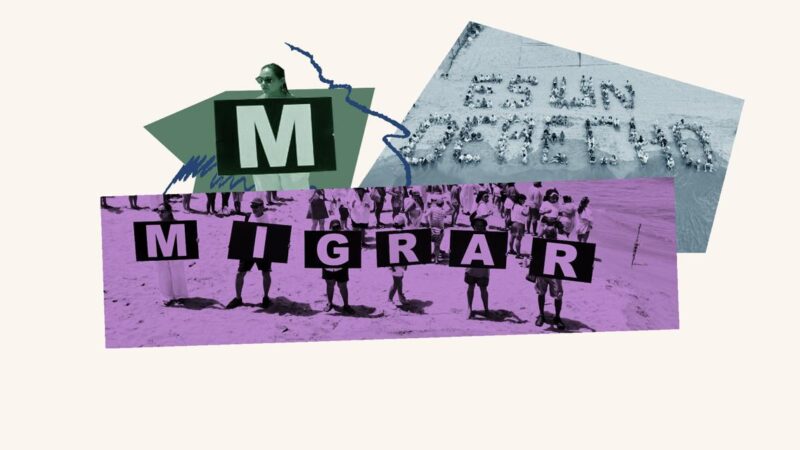
Migration Is Not a Crime: Dignity and Safety for All People

The ACLU of Puerto Rico is fighting to protect the rights of migrant communities and ensure that no one is targeted, detained, or denied access to essential services because of who they are or where they come from. House Bill 331 would reaffirm Puerto Rico’s commitment to human rights by prohibiting local police from collaborating with federal immigration enforcement and restricting detentions in sensitive locations such as schools, hospitals, and churches. With anti-immigrant rhetoric and policies once again threatening communities across the U.S., Puerto Rico has a critical opportunity to lead by example — protecting human dignity, public safety, and trust in our local institutions. This legislation is not just about policy; it’s about protecting lives. It ensures that families can seek healthcare, education, and safety without fear. It strengthens the bonds between the community and law enforcement, making everyone safer in the process. Join us in defending Puerto Rico’s migrant community. Urge your legislator to vote YES on House Bill 331.
Campaign
Feb 2026

Municipal Protection: For the Dignity and Rights of All People

Every municipality in Puerto Rico has both the power and the duty to protect all who live within its borders. This campaign promotes the adoption of municipal community protection ordinances, legal tools that prohibit the use of city funds, staff, or resources to enforce federal immigration laws. These ordinances do not violate any federal law and do not interfere with ICE’s authority. Rather, they ensure that municipalities are not forced to become extensions of the federal deportation system, keeping local budgets focused on public safety, health, and community well-being. Federal courts have consistently affirmed that local governments are not required to cooperate with ICE. Section 1373 of federal law —often misused— does not impose penalties or require the sharing of information beyond immigration status, nor does it criminalize non-cooperation. Therefore, municipal protection is lawful, constitutional, and essential for building safer, more humane communities. When residents trust their local officials, they are more likely to report crimes, seek medical care, and engage in civic life. Municipal protection is fundamentally a policy of public safety, justice, and human dignity.