Zaida Torres et al. v. Estados Unidos de América
- Filed: Sep 13, 2013
- Latest Update: Jul 28, 2026
Summary
This petition deals with the long term health and environmental consequences on the victims, as a result of military practices (involving toxic chemicals and warfare) of the United States Navy conducted on the island of Vieques, Puerto Rico.
In 1941, the Navy set up military operations in the municipal islands of Culebra and Vieques, Puerto Rico; and that in 1942-1943 and 1947, the Navy expropriated of 75% of the land on Vieques for the use of military practices, totaling approximately 23,000 acres. The expropriation of 75% of the island involved the forced evacuation and displacement of hundreds of Viequense families who were forced to relocate to the middle of the island and leave the land they either owned or worked on.
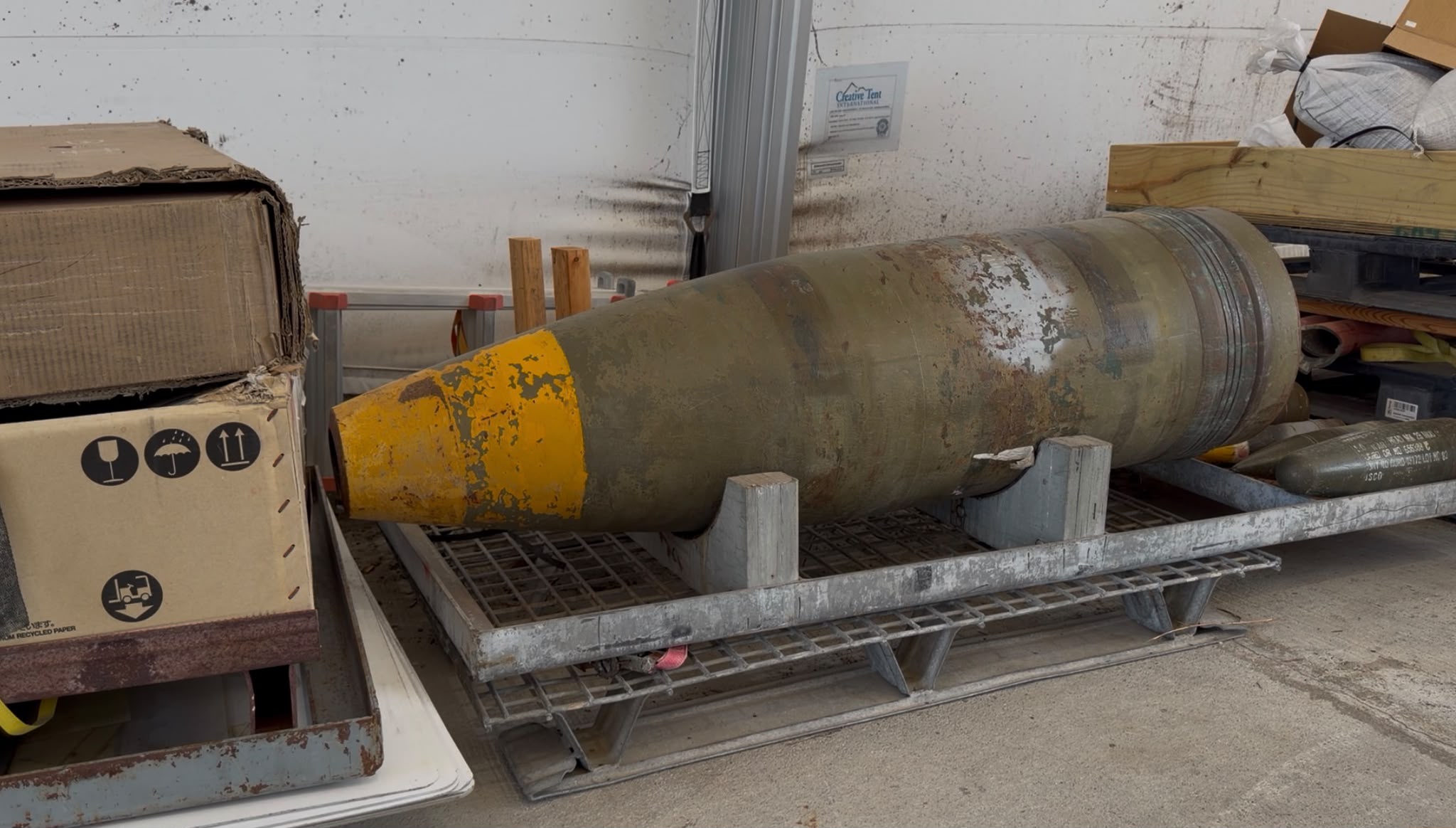
Using the island as a practice ground for military warfare, the Navy routinely bombed the island including dropping 500-pound bombs from aircraft—and used known deadly chemicals and toxins such as napalm, Agent Orange, depleted uranium (DU), white phosphorous, arsenic, lead, mercury, cadmium, copper, magnesium, lithium, cobalt, nickel, perchlorate, TNT (Trinitrotoluene), PCBs (Polychlorinated Biphenyls), solvents, pesticides, and high explosives.
For decades, Viequenses have been exposed to lethal contaminants exuded from munitions that have contaminated their bodies, their land and the neighboring sea, and continue to live with the long lasting effects to their health and environment. As a result of these harmful practices, generations of Viequenses suffer inflated rates of cancer, hypertension, asthma, birth defects, higher infant mortality rates and low birth weights, respiratory illnesses, kidney failure and skin rashes.
Despite the high incidence of illness on Vieques, the island currently has no adequate health services, including general and specialized physicians, equipment, laboratories and diagnostic and treatment facilities on Vieques to adequately diagnose and treat various serious conditions, including cancer. The overwhelming majority of Viequenses must travel to mainland Puerto Rico whenever they need medical attention, whether it consists of generalized care, follow-up care or treatment for their health conditions.
On the other hand, the fishing industry in Vieques comprises approximately 40% of the local economy. Fishermen have often complained about the great number of unexploded bombs in the coastal waters of Vieques and the destruction caused to coral reefs and other elements of the marine environment harmed by stray bombs from jets and ships. The Navy’s activities interfered with the ability of local fishermen to practice their trade, both because the military practices leaked toxins and contaminants into the surrounding waters and because the Navy would routinely block water routes that the fisherman followed daily in order to carry out their warfare practices.
The Navy officially closed the base for military practices in 2003, but the struggle continues.
Documents
- Sep 13, 2013 Petición final | Final Petition
- Apr 5, 2022 Informe de Admisibilidad
-
- Apr 5, 2022 Report of Admissibility
Zaida Torres et al. v. Estados Unidos de América Legal DocumentsReport of AdmissibilityDate Filed: Apr 5, 2022
Court: Inter-American Commission on Human Rights (IACHR)
Affiliate: PR
Download document - Jan 11, 2026 Escrito sobre el Fondo | Petitioners’ Merits Brief
Date Filed: Sep 13, 2013
Court: Inter-American Commission on Human Rights (IACHR)
Affiliate: PR
Download documentDate Filed: Apr 5, 2022
Court: Inter-American Commission on Human Rights (IACHR)
Affiliate: PR
Download documentDate Filed: Jan 11, 2026
Court: Inter-American Commission on Human Rights (IACHR)
Affiliate: PR
Download documentStay Informed
Sign up to be the first to hear about how to take action.
By completing this form, I agree to receive occasional emails per the terms of the ACLU’s privacy statement.
By completing this form, I agree to receive occasional emails per the terms of the ACLU’s privacy statement.