ACLU of Puerto Rico warns about ICE stalking communities and streets across the archipelago
July 9, 2026 11:00 am
Spokesperson
Media Contact
San Juan, P.R. - The American Civil Liberties Union (ACLU) of Puerto Rico on Thursday demanded the removal of federal agents from Immigration and Customs Enforcement (ICE) from the streets and communities of the archipelago, warning about a pattern of interventions in which immigrants’ rights are violated and the safety of all people, including the Puerto Rican community, is put at risk.
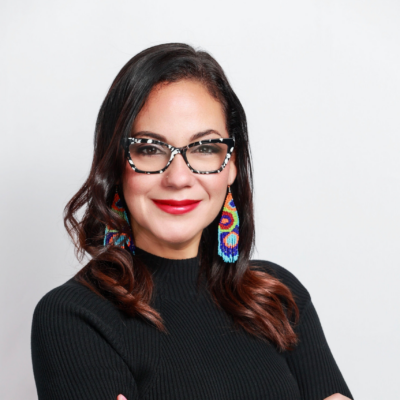
“Since early last year, we have denounced the arbitrary, cruel and discriminatory nature of ICE raids in Puerto Rico and how they violate the rights of all people, regardless of immigration status,” said Annette Martínez Orabona, executive director of the ACLU of Puerto Rico. “These interventions have not decreased. On the contrary, recent cases show that ICE agents continue to act outside the bounds of the law, with their faces covered, through violent actions and by endangering the entire community,” she emphasized.
In recent weeks, the ACLU of Puerto Rico team has documented actions by ICE agents that have included physical assaults, arbitrary interventions in the presence of minors, unjustified interventions on vehicular traffic routes and due process violations, among other issues. Members of the public have also documented these actions, and videos have been published on social media. The ACLU of Puerto Rico, along with several immigration attorneys, the Immigration Clinic of the University of Puerto Rico School of Law and the Legal Aid Clinic of the Interamerican University of Puerto Rico School of Law, has represented nine immigrant people whose basic rights have been violated and who represent a sample of what hundreds of immigrants are experiencing across our archipelago.
In eight of the nine cases, the organization has succeeded in stopping the expedited transfer of immigrants or in obtaining a court order requiring ICE to bring the person back. It has also secured access to the bond hearings to which they are entitled. However, immigration judges have not granted all individuals the opportunity to continue defending their immigration cases while free on bond. Of the nine cases, immigration judges have denied bond in two, even though none of these individuals poses a danger to the community or a flight risk. For these individuals, the obstacles do not end with bond. Throughout the process, the ACLU of Puerto Rico has identified patterns of excessive bonds without justification, procedural hurdles and the constant threat of family separation.
These arrests occurred under circumstances that raise serious concerns of racial profiling and reflect grave violations of due process, in addition to other possible legal violations that the public must not normalize.
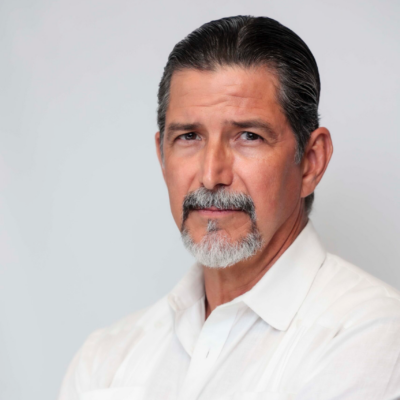
“We will continue using litigation to demand that the federal government respect due process, guarantee access to bond in the appropriate cases and stop racial profiling practices and punitive transfers that disproportionately affect immigrant communities in Puerto Rico,” said Fermín Arraiza Navas, legal director of the ACLU of Puerto Rico.
Since January 2025, the ACLU has filed more than 325 legal actions in the United States, including nearly 200 lawsuits, most of them related to immigrants’ rights. In June, the U.S. Supreme Court ruled 6-3 in favor of the ACLU, preserving the constitutional guarantee of birthright citizenship in Trump v. Barbara, one of the most consequential civil rights rulings in decades and the ACLU’s most important case in 100 years. In doing so, the Court struck down President Trump’s executive order that attempted to rewrite the U.S. Constitution to revoke birthright citizenship, impacting tens of thousands of immigrant families in the United States and Puerto Rico.
This decision represents a victory, but President Trump’s attack on immigrant communities and civil rights is intensifying on all fronts. The Supreme Court also ruled in June that it would allow the Trump administration’s termination of Temporary Protected Status (TPS) for Syria and Haiti to take effect, putting nearly 1.3 million people at risk of losing their status. In addition to Haitians and Syrians, the decision impacts migrants from 13 countries, including Afghanistan, Cameroon, Honduras, Nepal, Nicaragua and Venezuela, which is currently facing a humanitarian crisis after being struck by two devastating earthquakes.
“From the ACLU, we see that the Trump administration is rushing arrests, including of children, pregnant women and people who have been part of our communities for decades, to confine them in immigration detention centers without due process, access to medical care or legal representation,” Martínez Orabona said. “We condemn these cruel and illegal actions by President Trump and strongly reject any active collaboration by Puerto Rico’s local government,” she emphasized.
Related Issues
Related Content

Ignacio Cambero Maldonado v. Rebecca González et al.
Ernesto José Cruz Tejada v. Rebecca González et al.
Diógene Fermín Fernández v. Rebecca González et al.
Joan Alberto Zorrilla Lora v. Rebecca González et al.
Stay Informed
Sign up to be the first to hear about how to take action.
By completing this form, I agree to receive occasional emails per the terms of the ACLU’s privacy statement.
By completing this form, I agree to receive occasional emails per the terms of the ACLU’s privacy statement.