About Us
Our Mission
The ACLU of Puerto Rico is the local chapter of the American Civil Liberties Union, a non-profit organization founded in the United States in 1920. Its mission is to fight against violations of the civil liberties guaranteed by the U.S. and Puerto Rico legal systems. We combat such violations wherever and whenever necessary.
As a chapter, the ACLU of Puerto Rico ensures that constitutional guarantees and statutes that secure human rights and civil liberties are upheld and enforced in the Puerto Rican archipelago. We confront oppression, authoritarianism, and injustices against individuals.
The ACLU is sustained by annual membership fees and contributions from its members, as well as donations from private foundations and individuals. We do not receive any kind of federal or state government funding.
Meet Our Staff
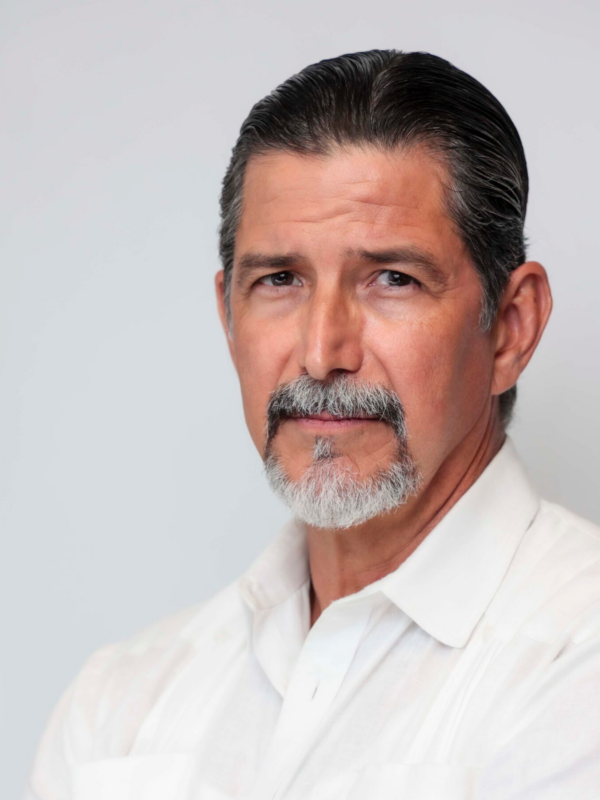
Our dedicated team is committed to defending civil rights and liberties across Puerto Rico. Led by Executive Director Annette Martínez-Orabona, our staff brings decades of experience in law, public policy, communications, and administration to advance human rights and justice for all.

Annette Martínez-Orabona

Belkis B. Pérez-Adorno
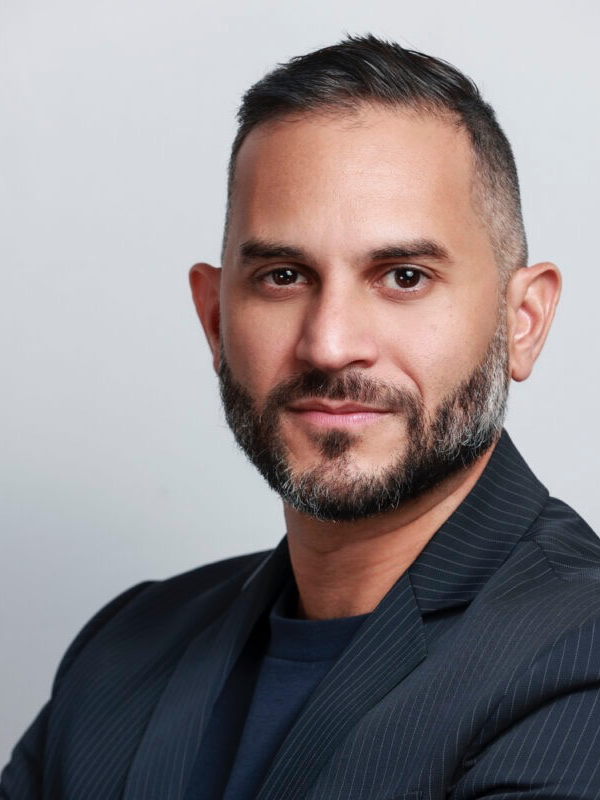
David Cordero-Mercado

ACLU Puerto Rico: Milestones in Justice
The American Civil Liberties Union (ACLU) has had a significant presence in Puerto Rico since long before its formal establishment as a chapter on the archipelago. Its commitment to civil rights in the U.S. territory dates back to the 1930s.
1930's
The ACLU’s First Investigation in Puerto Rico
The Ponce Massacre
The ACLU’s formal presence in Puerto Rico began in 1937 when Arthur Garfield Hays, co-founder and legal director, presided over the “Hays Committee.” This group investigated the Ponce Massacre, when insular police violently repressed a peaceful Nationalist Party protest. The resulting report documented civil rights violations and set the precedent for the ACLU’s role in defending rights on the island.
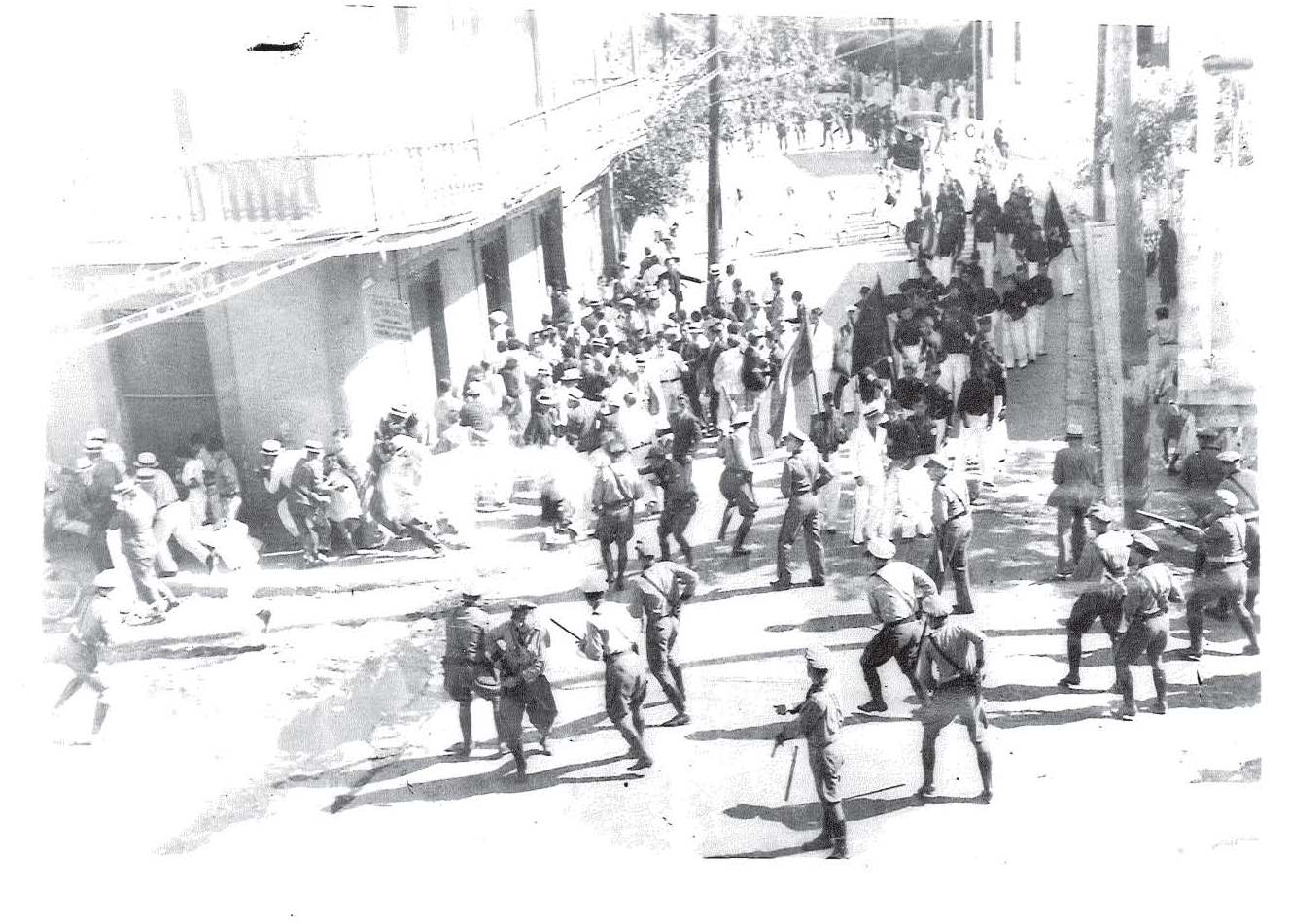
Arthur Garfield Hays, ACLU Legal Director at the time, and other Puerto Rican signatories, published the report of a commission the ACLU presided and was charged with the inquiry into the events of a massacre of protesters by the Puerto Rico Police in the City of Ponce, Puerto Rico - the events documented in the Report became known as The Ponce Massacre.
1993
Early Organizing
Informal Beginnings of Local Advocacy
By the early 1990s, civil liberties work on the island had grown into a consistent effort. Though not yet a formal affiliate, the ACLU began building a local presence in Puerto Rico in 1993, responding to systemic civil rights issues and laying the groundwork for a permanent chapter.
2000s
Official Establishment
ACLU of Puerto Rico Becomes a Chapter
In 2000, the ACLU formally established its Puerto Rico affiliate. From the beginning, its work centered on protecting the rights of vulnerable populations, including people with disabilities and people living with HIV. Through significant litigation, the affiliate advanced inclusion and fought discrimination in housing, employment, and healthcare.
Expanding Civil Rights Work
Fighting Discrimination and Police Brutality
The ACLU of Puerto Rico broadened its focus to address racial discrimination and excessive force by police. The organization brought lawsuits under 42 U.S.C. § 1983 to challenge violent repression during protests and defended press freedom in ASSPRO v. Muller, a key First Amendment case. Reports released during this period documented systemic issues in policing, prison conditions, and voting rights, while highlighting struggles for health, housing, and environmental justice.
2010s
Confronting Political and Structural Inequality
Colonial Status and Civil Rights Challenges
The ACLU recognized the limits imposed by Puerto Rico’s political status, shaped by U.S. Supreme Court rulings such as Downes v. Bidwell (1901) and Balzac v. Porto Rico (1922). These cases defined Puerto Rico as a territory that “belongs to, but is not a part of” the United States, creating barriers to equal rights and full constitutional protections.
2017 to Present
PROMESA and the Fiscal Oversight Board
Defending Democracy Amid Fiscal Control
The implementation of PROMESA (Puerto Rico Oversight, Management, and Economic Stability Act) gave sweeping powers to a federally imposed Fiscal Oversight Board. The ACLU of Puerto Rico has called this framework a “civil rights-free zone”, where democratic decisions and protections are undermined. Under PROMESA, numerous ACLU-led cases were arbitrarily halted, preventing reparations and weakening the island’s civil rights safeguards.
Our Work Continues
The ACLU of Puerto Rico continues to fight for justice through advocacy, litigation, and education. Our mission endures: to ensure that every person on the island — regardless of race, gender, origin, or status — can live freely and equally under the law.
From the Ponce Massacre investigation in 1937 to today’s fight for democracy, equality, and human rights, the ACLU of Puerto Rico has stood on the front lines of justice.
Our commitment is as strong as ever — to protect freedom of expression, defend the rights of marginalized communities, and ensure that every person in Puerto Rico lives with dignity and fairness under the law.
Join us as we continue this legacy of advocacy and action. Together, we can build a Puerto Rico where civil liberties are protected for everyone.
“The defense of civil liberties is not a moment — it’s a movement. Our work honors the past, protects the present, and builds a just future for all.”